

Preparing your space
Preparing your space
Find current and older curated stories in one place.
3114 resources
Whole-Person Wellness · Research
NCI News Releases · Research
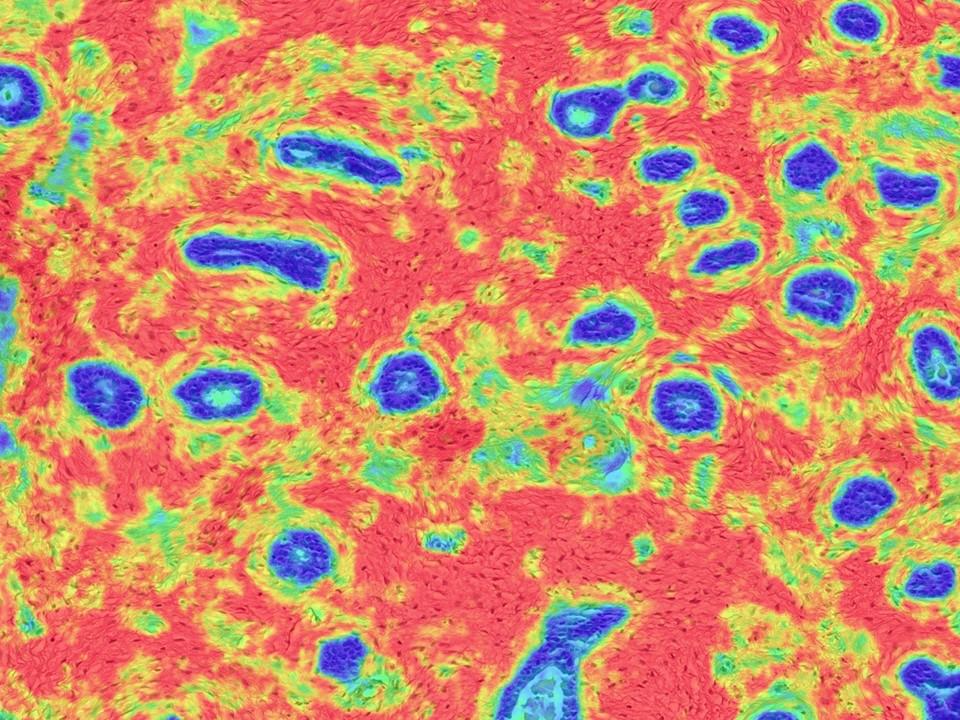
A series of tissue changes may be associated with an increased risk of developing aggressive breast cancer among women with benign breast disease, and poorer rates of survival among women with invasive breast cancer.

NCI Cancer Currents Blog · Research
As diagnoses of colorectal, breast, and other cancers continue to climb in people under age 50, researchers are trying to understand what’s behind this phenomenon. Is it environmental exposures, genetics, lifestyle? The culprits, they say, remain unclear.

National Cancer Institute · Video

NCI News Releases · Research
From 2010 through 2019, the incidence of 14 cancer types rose among people under age 50. However, the incidence of 19 other cancer types has decreased among this population.

NCI Cancer Currents Blog · Guide
Scientists have developed a test for use during brain cancer surgery that rapidly measures the levels of certain genetic mutations in patients’ tumor samples. The test uses droplet digital polymerase chain reaction technology and produces results within 15 minutes.

National Cancer Institute · Video

NCI Cancer Currents Blog · Research
A device that measures the “stickiness” of cancer cells in tumor samples may help predict the likelihood of a patient’s cancer metastasizing. Researchers believe the device could eventually help doctors make more informed treatment choices.
NCI Cancer Currents Blog · Research
FDA has approved the combination of the immunotherapy drugs ipilimumab (Yervoy) and nivolumab (Opdivo) for the initial treatment of people with advanced colorectal cancer whose tumors are classified as MSI-H or dMMR.
NCI Cancer Currents Blog · Research
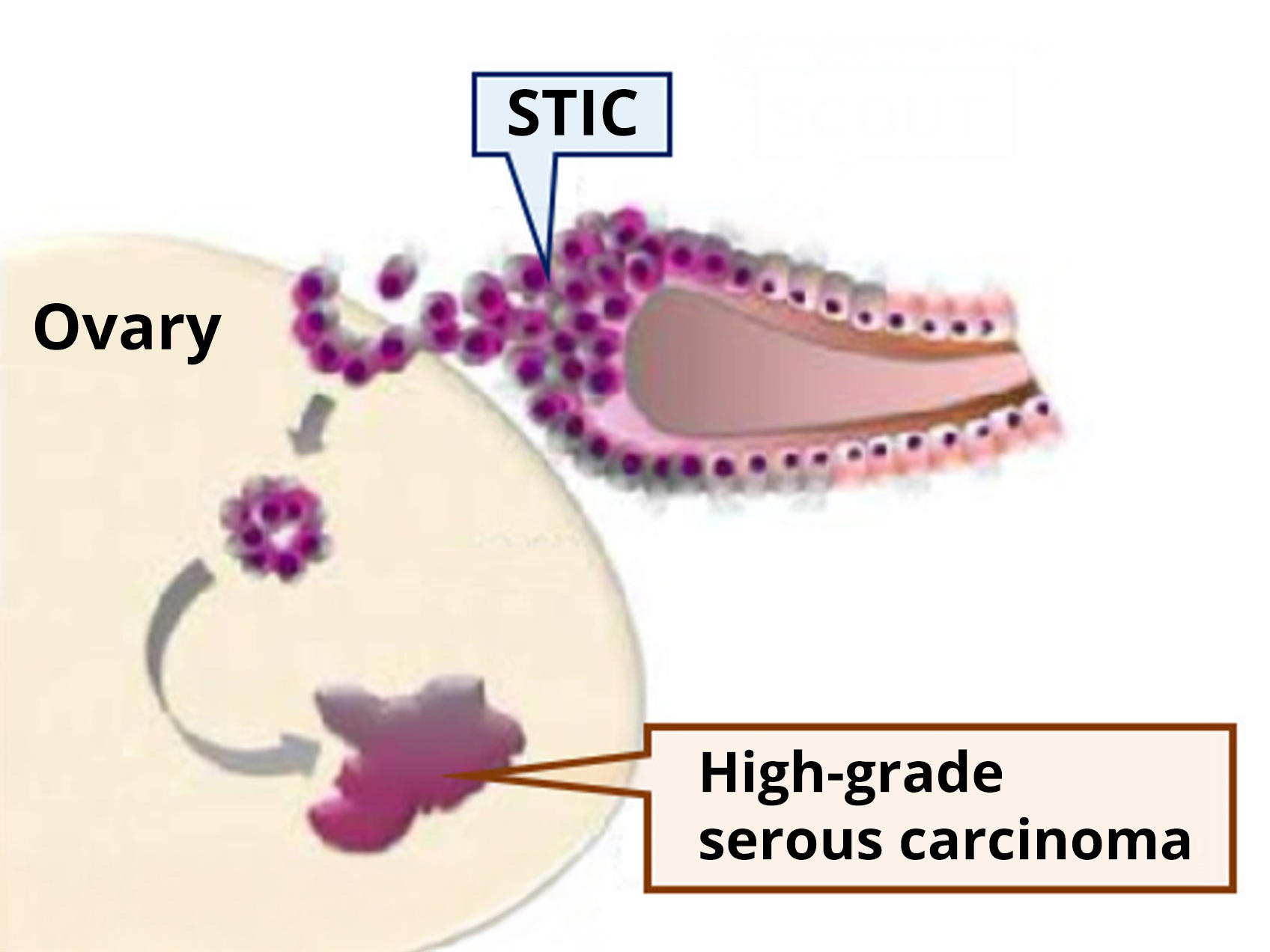
A subgroup of mesenchymal stem cells, called high-risk MSCs, appears to fuel the formation of cancerous lesions in the fallopian tubes and the lesions’ transition to ovarian cancer, a study has found.

NCI Cancer Currents Blog · Research
In small trials, personalized treatment vaccines appeared to prevent cancer from returning in patients who had successful surgery to remove their tumors. The treatments, which were created based on intensive analyses of patients’ tumors, appeared to be safe.

The Cancer Pod · Podcast
In this episode, Dr. Tina Kaczor and Dr. Leah Sherman discuss notorious cancer fakers Belle Gibson (Apple Cider Vinegar), Amanda Riley (Scamanda), and Elizabeth Finch (Anatomy of Lies). Each one created elaborate schemes that often duped even their loved ones. The hosts examine the psychological aspects behind such behavior, revealing how these individuals exploited vulnerable people’s emotions an
The Cancer Pod · Podcast
Belle Gibson (Apple Cider Vinegar), Amanda Riley (Scamanda), and Elizabeth Finch (Anatomy of Lies). Each one created elaborate schemes that often duped even their loved ones. In this episode, Tina and Leah examine the psychological aspects behind such behavior, revealing how these individuals exploited vulnerable people’s emotions and trust. They also discuss distinguishing between factual integra
Caregiver Support · Article
NCI News Releases · Research
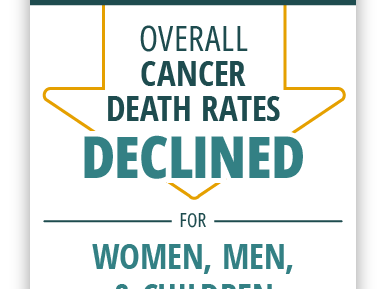
Overall death rates from cancer declined steadily among men and women from 2001 through 2022, even during the first two years of the COVID-19 pandemic, according to the 2024 Annual Report to the Nation on the Status of Cancer.
Whole-Person Wellness · Research

NCI Cancer Currents Blog · Research
Documented conversations on goals of care are uncommon in AYA patients with advanced cancer. Researchers found that many patients did not have these discussions until the last month of life, and many asked about palliative care.

NCI Cancer Currents Blog · Research
Some cancers come back many years after successful treatment, often as metastatic disease. Researchers believe if and how this happens is heavily influenced by dormant cancer cells and their interaction with the immune system.
Integrative Medicine · Article
NCI News Releases · Research
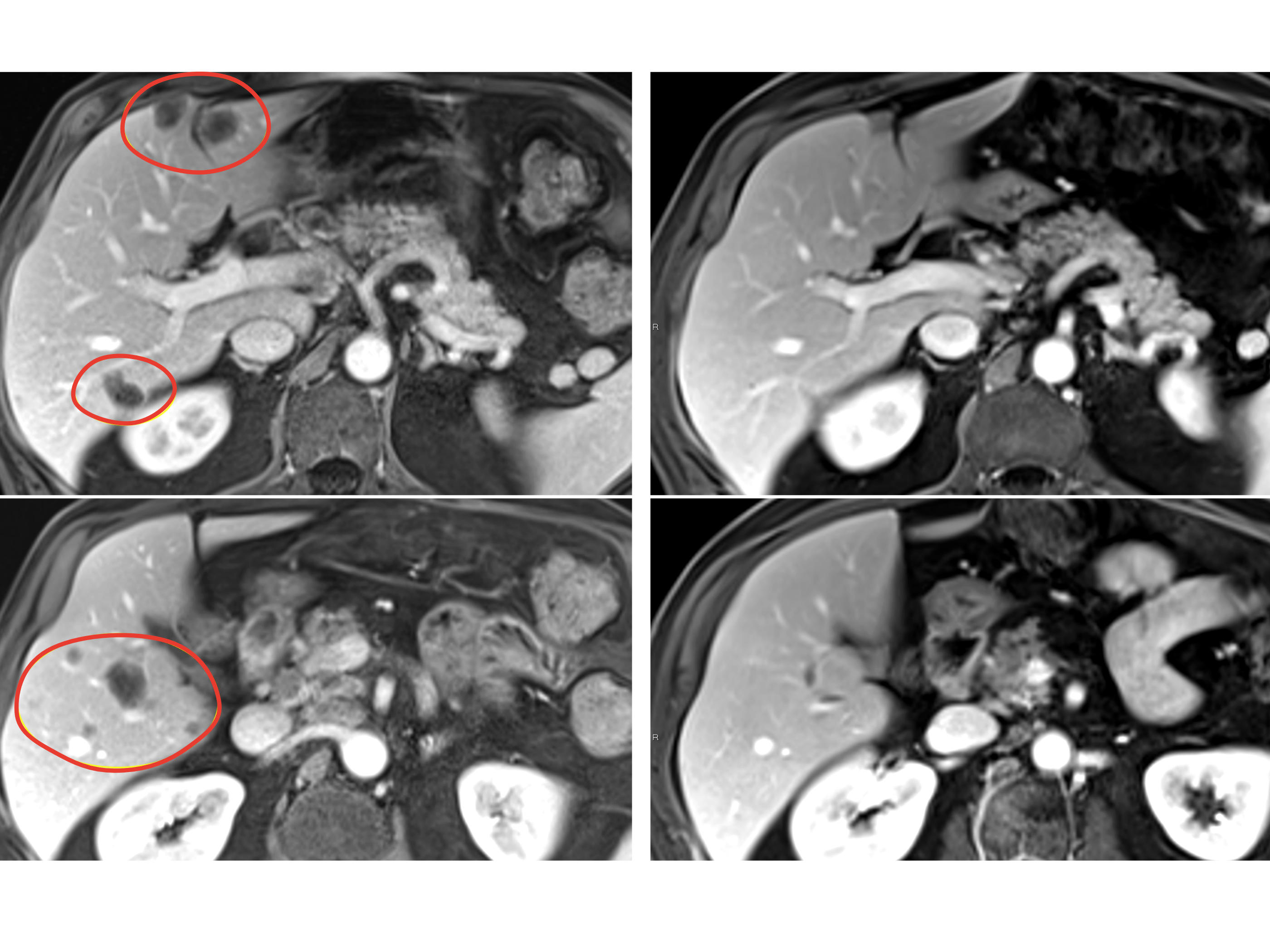
A new form of personalized cancer immunotherapy, known as tumor infiltrating lymphocyte (TIL) therapy, dramatically improved the treatment’s effectiveness in patients with metastatic gastrointestinal cancers.

National Cancer Institute · Video

National Cancer Institute · Video
NCI Cancer Currents Blog · Research
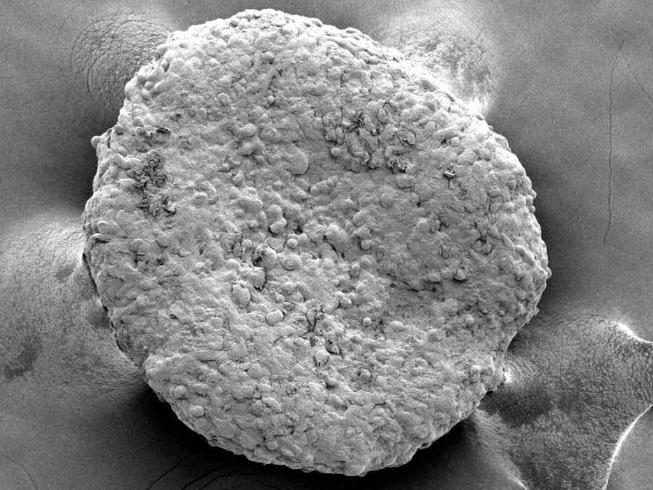
Researchers have developed a form of cancer treatment that uses fat cells engineered to aggressively consume nutrients like glucose. When implanted in mice, the engineered cells appeared to outcompete tumors for nutrients, shrinking tumors.

NCI News Releases · Research
A study of 85,000 older adults in the U.K. suggests that light- and moderate-to-vigorous-intensity daily physical activity can reduce cancer risk. The number of steps taken daily may be more important for cancer risk than the intensity of activity, the study shows.